

Bhimbetka Rock Shelters: Prehistoric Cave Paintings & Travel Guide
 By Bharat travel guide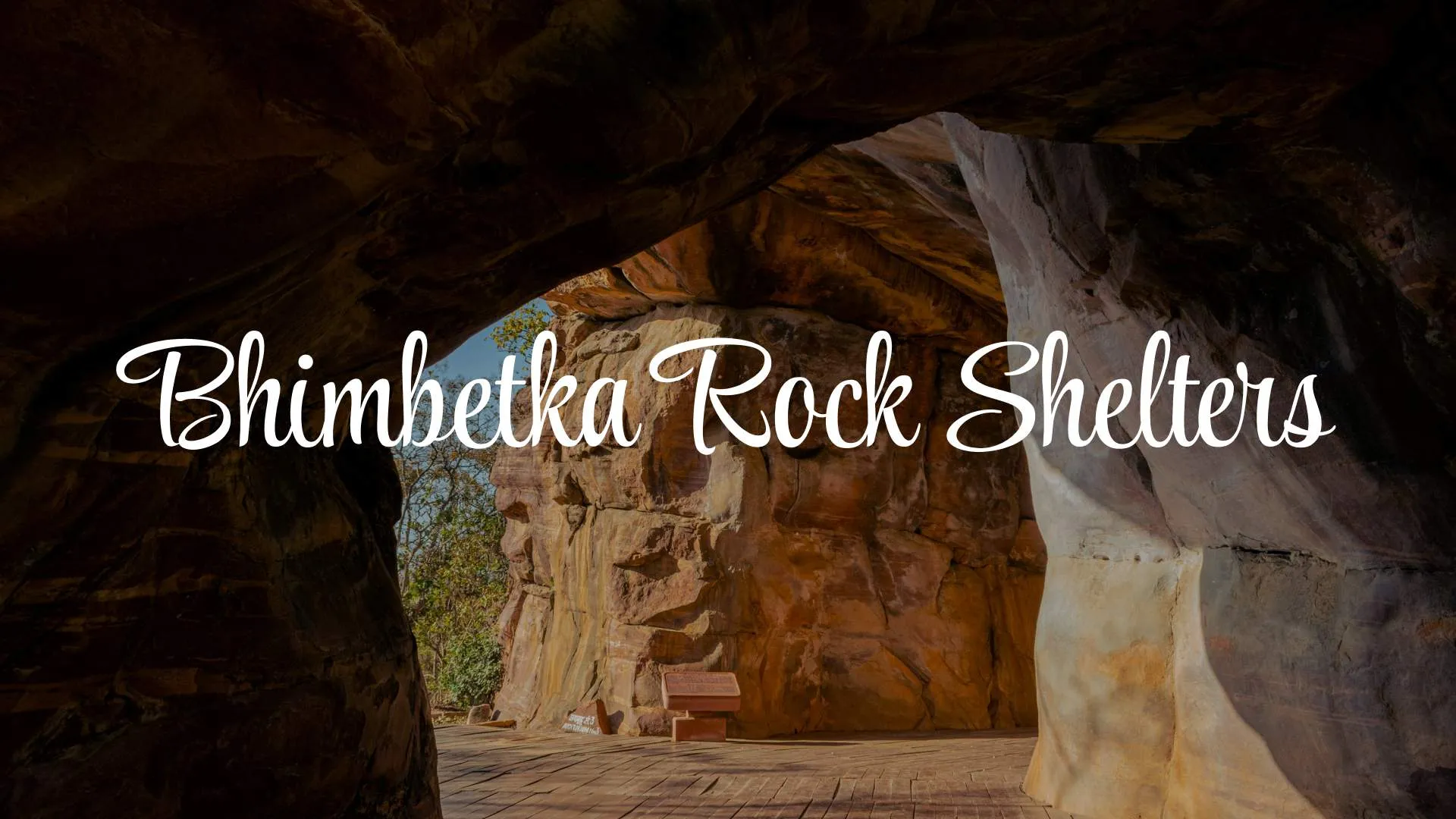
Introduction
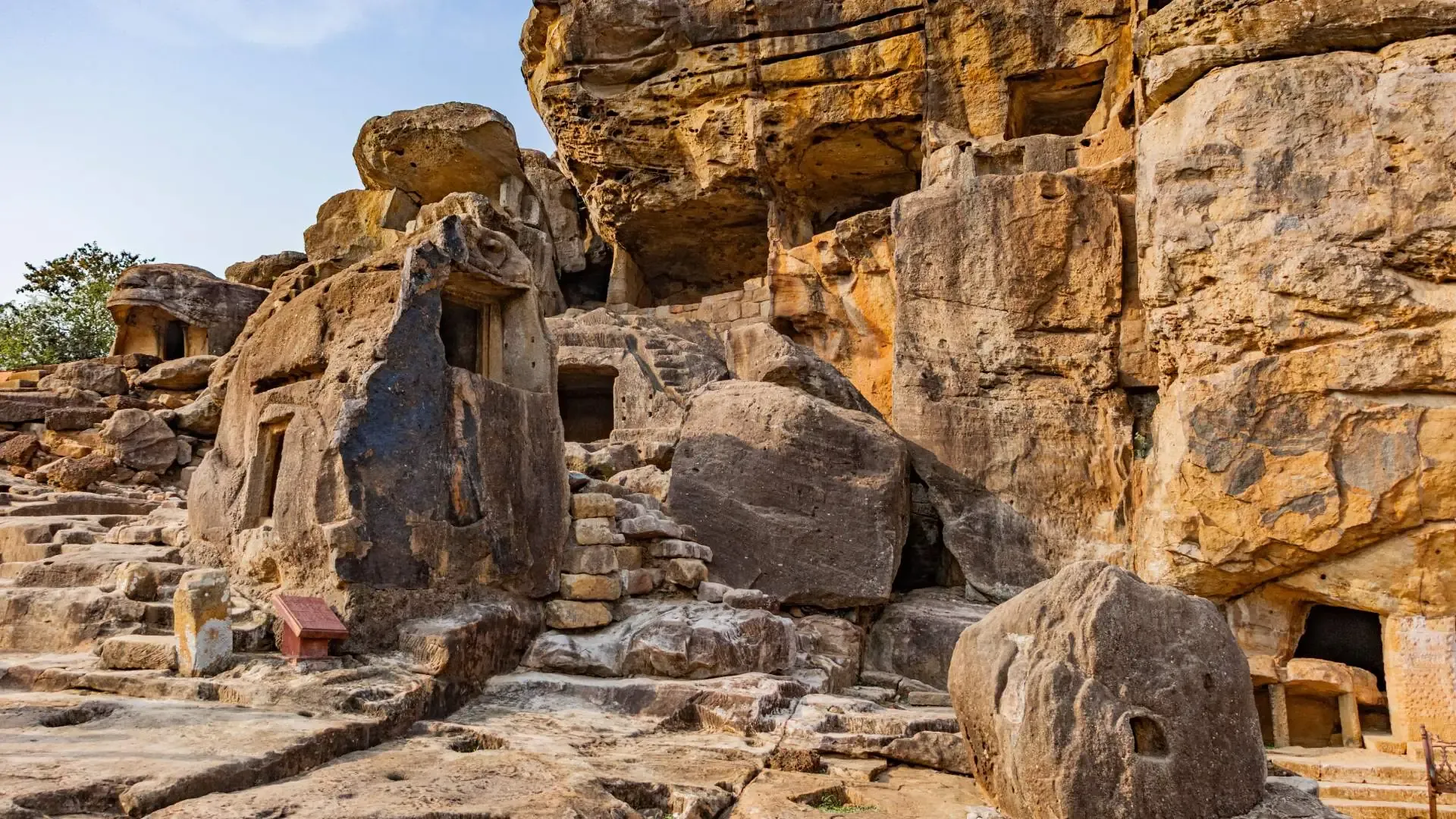
The Bhimbetka Rock Shelters, situated in the Raisen district of Madhya Pradesh, offer a breathtaking window into the very dawn of human civilization. Located roughly 45 kilometres south of Bhopal inside the Ratapani Wildlife Sanctuary, this extraordinary site consists of over 750 rock shelters scattered across five low sandstone hills. Inscribed as a UNESCO World Heritage Site in 2003, Bhimbetka contains some of the oldest known rock art in the Indian subcontinent, with human habitation evidence stretching continuously from the Upper Paleolithic age through the medieval period.
Spanning over 100,000 years of human presence, the rock art at Bhimbetka records the gradual evolution of early human societies. Executed using natural mineral pigments in vibrant shades of red, white, yellow, and green, these prehistoric paintings depict wild animals, hunting expeditions, ritual dances, battle scenes, communal celebrations, and daily tribal activities. The site preserves an incredible visual archive created by early hunter-gatherers, offering insights that predate organized civilizations such as the Indus Valley by thousands of years.
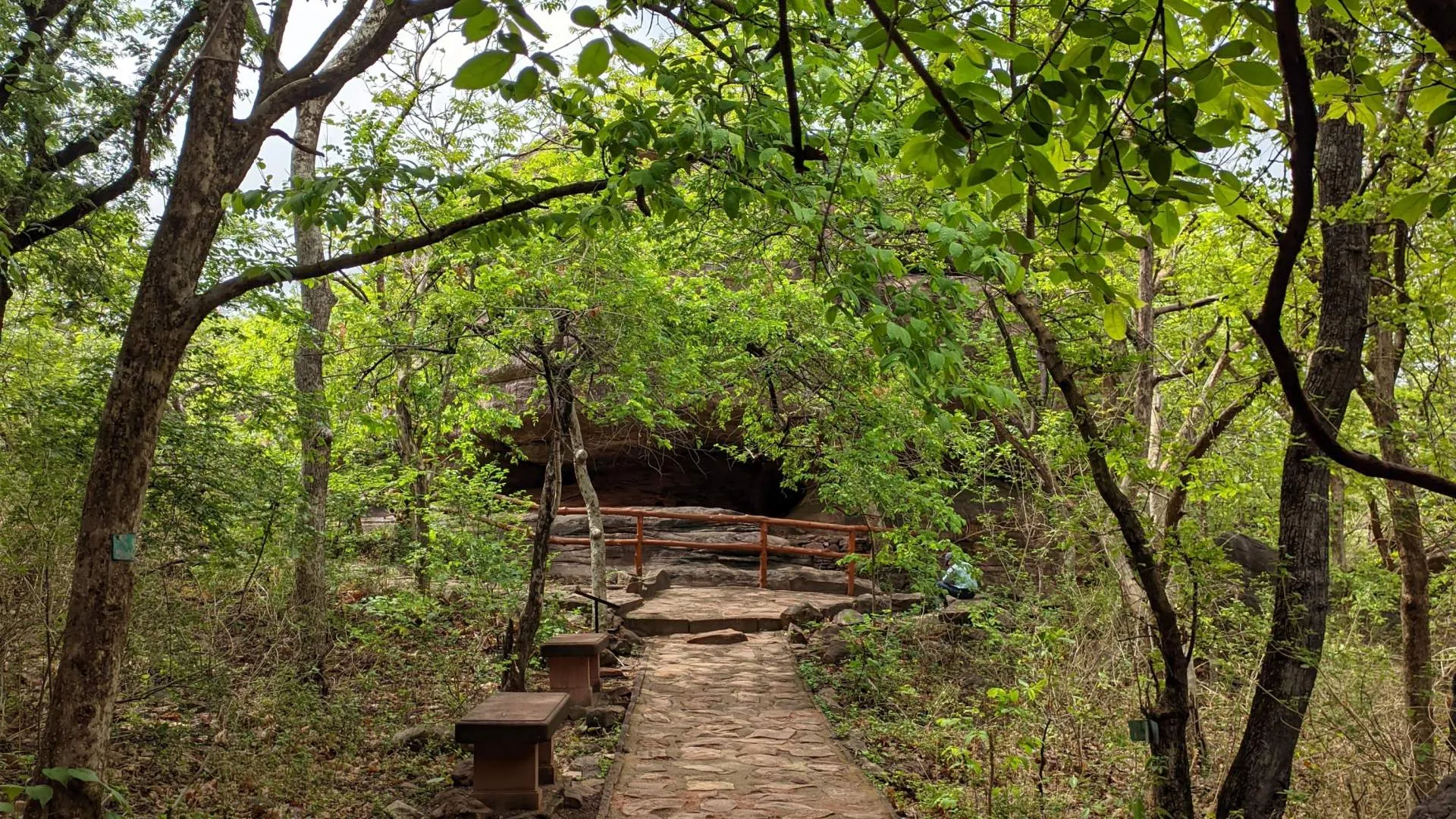
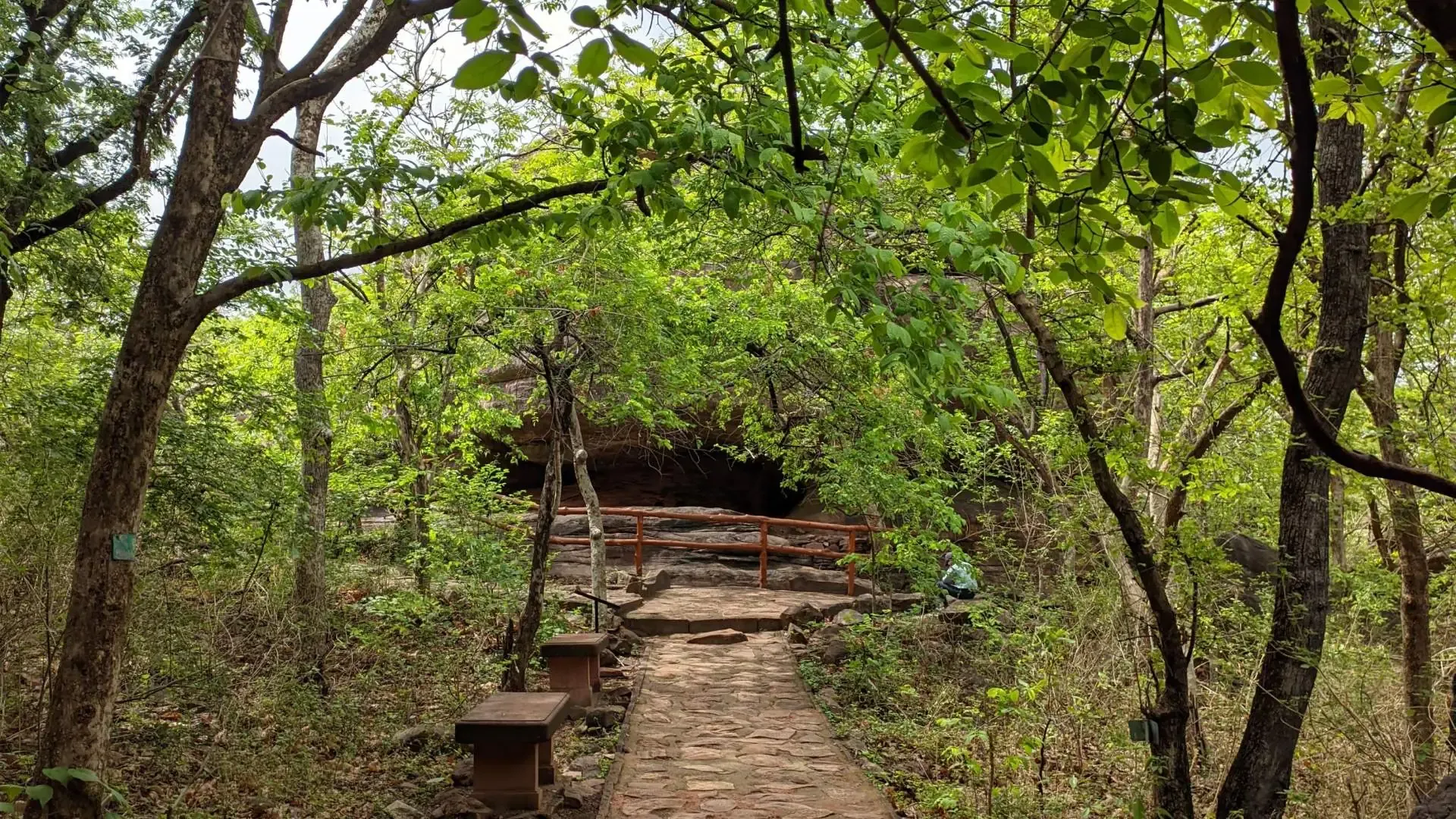
Surrounded by dense teak forests and dramatic sandstone rock monoliths sculpted by millions of years of natural erosion, a walk through Bhimbetka feels like stepping into a living prehistoric gallery. For history enthusiasts, archaeology buffs, nature lovers, and travelers exploring Central India, Bhimbetka provides a deeply humbling perspective on the origins of human culture.
Why Visit Bhimbetka Rock Shelters?
- UNESCO World Heritage Site preserving human habitation evidence over 100,000 years old.
- Home to over 500 rock shelters decorated with prehistoric cave paintings dating back up to 30,000 years.
- Provides a rare continuous record of human evolution from the Paleolithic to the Mesolithic and Medieval eras.
- Unique natural rock formations including the famous Auditorium Cave and Zoo Rock shelter.
- Located inside the lush Ratapani Wildlife Sanctuary surrounded by dense teak forests and wildlife.
- Well-maintained, elevated wooden walkways making the cave circuit easy and accessible for all age groups.
- Located close to Bhopal, allowing for easy combination with Sanchi Stupa and Bhojpur Temple.
History
The history of Bhimbetka stretches back deep into prehistory. The name 'Bhimbetka' is derived from Hindu mythology, originating from 'Bhimbaithaka', meaning "the sitting place of Bhima," the mighty hero from the epic Mahabharata. Local tribal lore long associated these massive naturally formed caves with the exile period of the Pandava brothers. However, scientific interest in the site began in 1957 when renowned Indian archaeologist Dr. Vishnu Shridhar Wakankar accidentally spotted these distinctive sandstone formations while traveling by train from Bhopal to Itarsi.
Subsequent archaeological excavations led by Dr. Wakankar and teams from Vikram University and the ASI revealed layers of prehistoric cultural deposits. Excavations uncovered stone handaxes, cleavers, microliths, bone tools, human burials, and charcoal fragments. Radiocarbon dating confirmed that human ancestors occupied these shelters during the Lower Paleolithic, Middle Paleolithic, Upper Paleolithic, Mesolithic, Chalcolithic, and Early Historic periods, establishing Bhimbetka as one of the longest continuously inhabited sites on Earth.
The cave paintings themselves span several distinct chronological phases. The earliest Mesolithic paintings (circa 10,000 to 8,000 BCE) feature large linear figures of wild animals such as bison, elephants, rhinos, tigers, and wild boars. Later Chalcolithic and historic layers show human figures riding horses, wielding metal spears, marching in military processions, playing musical instruments, and engaging in communal folk dances. UNESCO recognized the site in 2003 for its exceptional cultural value in recording early human interaction with nature.
Main Attractions
Auditorium Cave (Cave No. 3)
The Auditorium Cave is the vast central gateway shelter of Bhimbetka, featuring a grand high-ceilinged hall surrounded by colossal rock pillars. At its center stands a massive naturally formed rock pillar known as the 'Chief's Rock'. Excavations inside this cave yielded Paleolithic stone tools dating back over 100,000 years, along with rare prehistoric cupules (cup-like depressions carved into stone) considered among the oldest man-made rock markings in the world.
Zoo Rock (Cave No. 4)
Zoo Rock is arguably the most famous and artistically dense shelter in Bhimbetka. Its curved rock wall features over 250 overlapping animal figures painted across multiple prehistoric eras. The wall depicts a vibrant safari of prehistoric fauna including massive wild bulls (gaur), horned deer, elephants, tigers, leopards, wild boars, and birds, drawn with remarkable movement and anatomical precision.
Boar Rock (Cave No. 15)
This shelter is famous for its dramatic painting of a mythical, oversized wild boar with massive curved tusks chasing a small human figure. Drawn in dark red pigment, the giant boar features a bristle-covered back and an exaggerated snout, symbolizing the immense power early humans attributed to wild beasts. It remains one of the most iconic images of Indian prehistoric rock art.
Cult Scene Cave
This rock shelter contains paintings depicting early spiritual or shamanic rituals. The artwork features masked human figures holding sticks, dancing in circles, and participating in communal ceremonial gatherings. Archaeologists interpret these scenes as early expressions of religious belief, ancestor worship, and fertility rituals.
Medieval Battle Scenes (Cave No. 12)
Showcasing the historic phase of Bhimbetka art, this shelter features detailed paintings from the early historic and medieval periods. Drawn in lighter white and red mineral paints, the scenes display warriors riding armored horses and elephants, carrying shields, swords, bows, and banners, illustrating the transition from hunting societies to organized warfare.
Natural Rock Formations & Turtle Rock
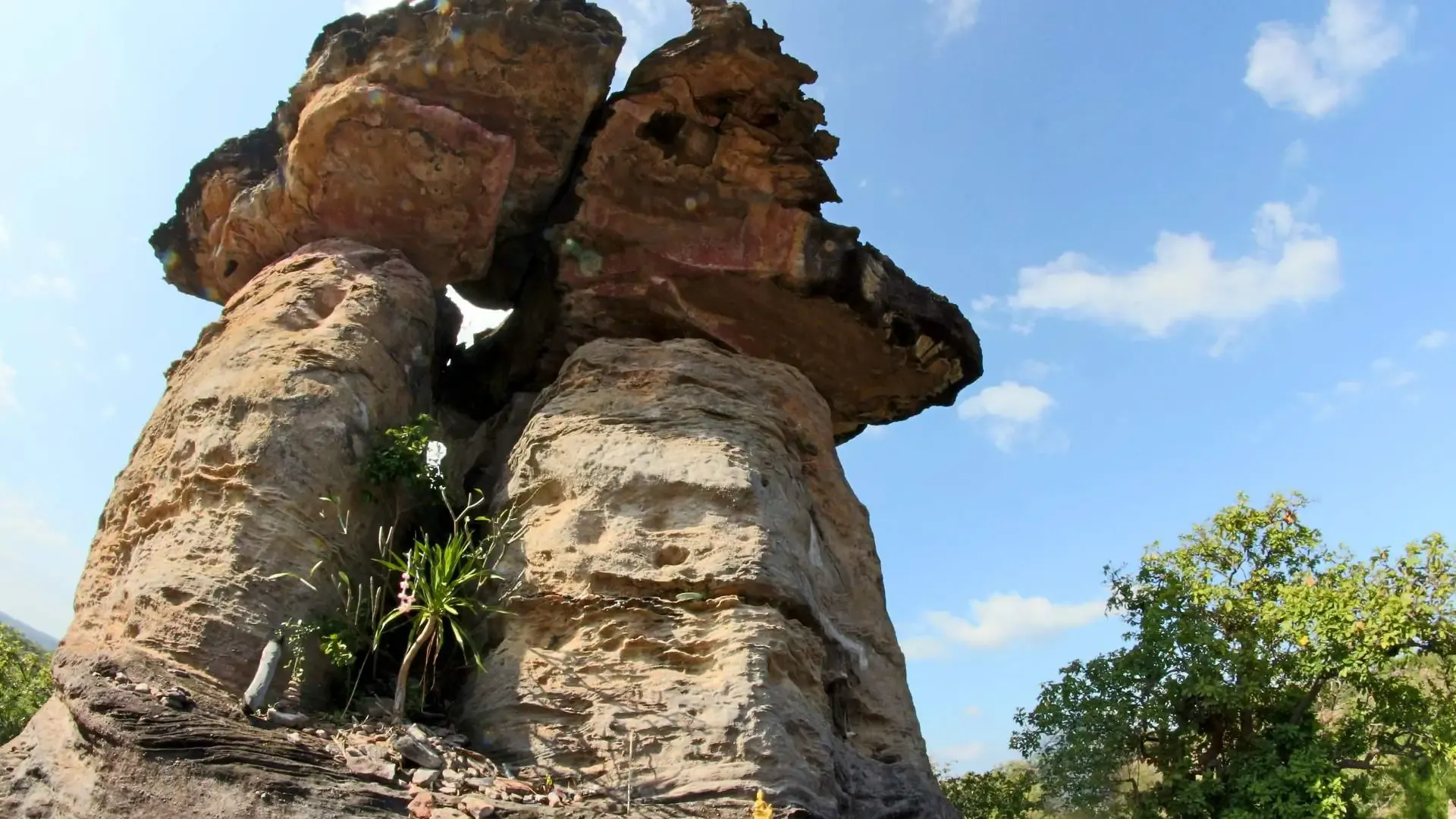
Beyond the paintings, the natural geology of Bhimbetka is a major highlight. Wind and rain erosion over millions of years sculpted the Vindhyan sandstone into surreal shapes, including balanced rocks, mushroom formations, and the famous 'Turtle Rock' which perfectly resembles a giant resting sea turtle.
Architecture / Natural Highlights
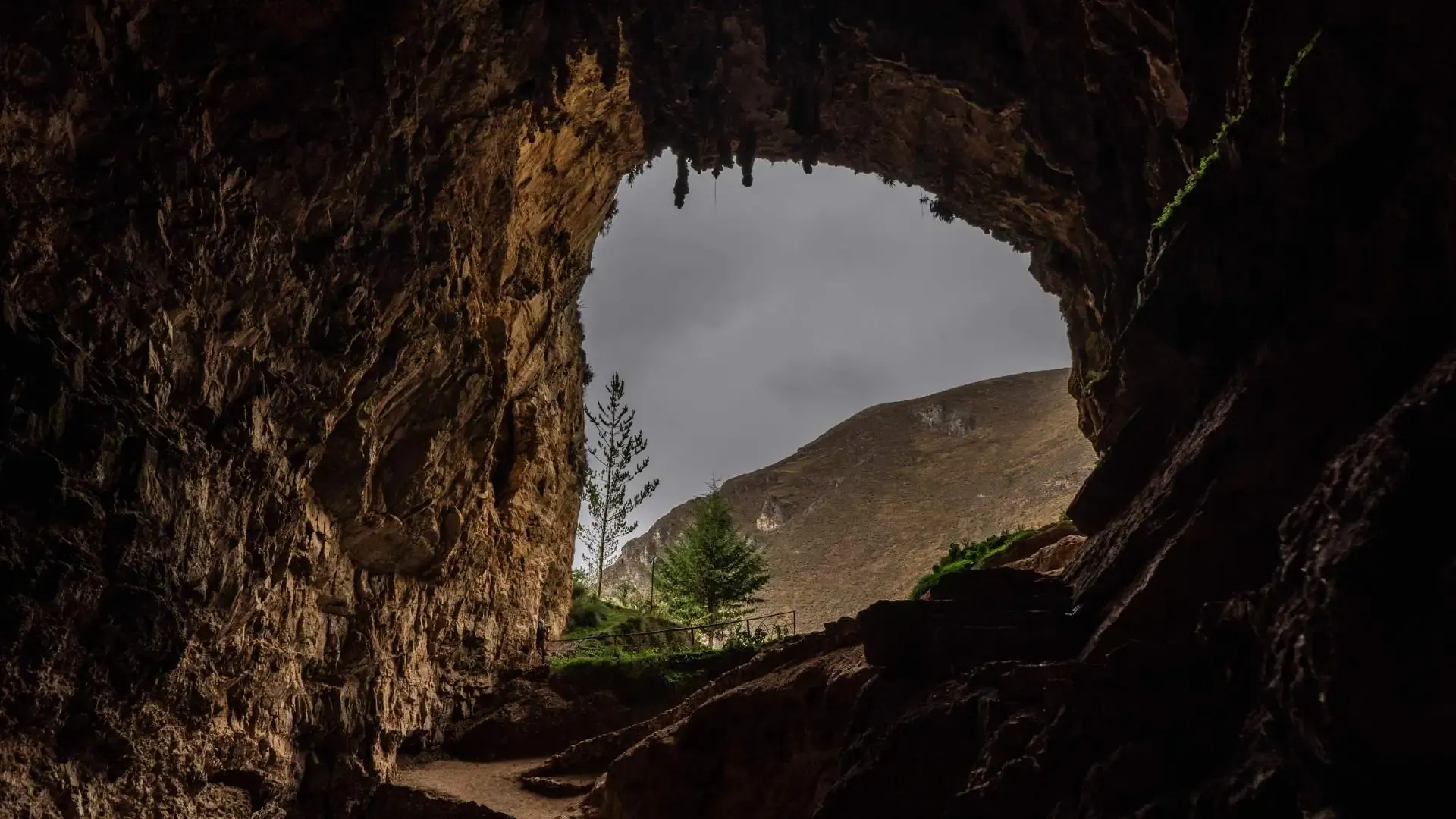
Unlike classical temples, the architecture of Bhimbetka is entirely natural. The shelters are formed within massive orthoquartzite sandstone cliffs belonging to the Vindhyan mountain range. The natural erosion of soft rock layers beneath hard sandstone overhangs created deep, weather-protected rock shelters that provided natural shelter, ventilation, and strategic vantage points over the surrounding valley for early humans.
The paints used by prehistoric artists demonstrate incredible chemical longevity. Artists created pigments by grinding natural minerals: iron oxide (hematite) for red, manganese for black, kaolin clay for white, and copper minerals for green. These mineral powders were mixed with animal fat, plant sap, or water, allowing the paint to penetrate deep into the porous sandstone pores and survive thousands of years of weathering.
Ecologically, Bhimbetka is situated inside the Ratapani Wildlife Sanctuary. The surrounding landscape consists of tropical dry deciduous forests dominated by teak, tendu, and mahua trees. The region is rich in biodiversity, providing natural habitat for sloth bears, leopards, sambar deer, chital, langurs, and a wide variety of resident and migratory woodland birds.
Best Time to Visit
Summer (April to June)
Summers are very hot and dry in Central India, with daytime temperatures exceeding 42°C. While the rock shelters offer shade, walking along the open forest paths between caves can be tiring. Early morning visits (8:00 AM to 10:30 AM) are essential if visiting during summer.
Monsoon (July to September)
Monsoon is visually stunning at Bhimbetka. The surrounding Ratapani teak forest turns lush green, moss blankets the sandstone rocks, and fresh streams flow through the valleys. The pleasant weather enhances the forest walk, though rain gear is necessary.
Winter (October to March)
Winter is the ideal time to explore Bhimbetka. Temperatures range between a comfortable 10°C and 25°C. Clear blue skies and cool breezes make walking the 1.5 km cave circuit extremely pleasant.
Recommended Season: October to March offers optimal weather. Visiting right after the monsoons (October-November) provides ideal conditions with green scenery and mild temperatures.
Entry Fee & Timings
Opening Time: 7:00 AM
Closing Time: 6:00 PM
Entry Fee (Indian Nationals): ₹25 per person
Entry Fee (Foreign Nationals): ₹300 per person
Children (below 15 years): Free entry
Vehicle Entry Charges: ₹100 for cars / ₹300 for tempo travellers (allows driving up to the cave entrance parking lot).
Photography Charges: Still photography is included in the entry ticket; commercial filming requires prior ASI permission.
Timings and fees may change. Please verify before planning your visit.
Things to Do
- Walk the 1.5 km elevated wooden trail that connects 15 major open rock shelters.
- Examine prehistoric animal art at Zoo Rock and spot species like rhinos, bulls, and deer.
- Marvel at the giant Boar Rock painting and analyze its prehistoric artistic symbolism.
- Explore the massive Auditorium Cave and examine ancient rock-carved cupules.
- Hire a certified ASI guide at the entry gate to decode subtle layers of cave art.
- Photograph the surreal natural rock formations including Turtle Rock and Mushroom Rock.
- Enjoy bird watching along the quiet forest approach roads inside Ratapani Sanctuary.
- Combine your tour with a visit to the nearby Bhojpur Temple (28 km away) housing a massive Shiva Lingam.
- Visit the State Museum in Bhopal to examine excavated stone tools and artifacts from Bhimbetka.
- Enjoy a quiet picnic surrounded by teak forests at the MP Tourism Delawadi retreat nearby.
How to Reach
By Road: Bhimbetka is located directly off National Highway 46 (Bhopal-Hoshangabad Highway), roughly 45 km south of Bhopal. Private taxis and self-drive cars are the most convenient mode of travel. Regular state buses running between Bhopal and Hoshangabad can drop passengers at the Bhimbetka bypass junction, from where auto-rickshaws or a 3 km walk leads to the cave entrance.
By Train: The nearest major railway station is Bhopal Junction (45 km) and Rani Kamlapati Railway Station (40 km), which connect to all major Indian cities via superfast trains like Shatabdi and Vande Bharat. A smaller local station exists at Obaidullaganj (9 km).
By Air: Raja Bhoj Airport in Bhopal (BHO) is the nearest airport, located approximately 55 km away. Regular direct flights connect Bhopal to Delhi, Mumbai, Bengaluru, Hyderabad, and Ahmedabad.
Nearby Attractions
- Bhojpur Temple (28 km) — Famous 11th-century unfinished temple housing a monolithic 18-foot Shiva Lingam.
- Ratapani Wildlife Sanctuary (In & Around) — Protected teak forest reserve home to tigers, leopards, and sloth bears.
- Delawadi (15 km) — Scenic eco-tourism spot inside Ratapani forest featuring jungle trekking trails and camping spots.
- Kerwa Dam (40 km) — Popular eco-picnic spot near Bhopal offering zip-lining, water sports, and lakeside cafes.
- Bhopal City (45 km) — Capital city of MP featuring Upper Lake, Tribal Museum, and historic mosques.
- Sanchi Stupa (90 km) — World-famous UNESCO World Heritage Buddhist monument complex.
- Hoshangabad / Narmadapuram (30 km) — Holy city on the banks of Narmada River known for Sethani Ghat.
- Udayagiri Caves (105 km) — Ancient rock-cut sanctuary caves featuring classical Gupta sculptures.
Travel Tips
- Wear comfortable, sturdy walking shoes as exploring the site involves 1 to 2 km of walking across paved forest trails.
- Carry sufficient drinking water and light snacks, as commercial stalls inside the cave sanctuary are limited.
- Hire an official guide at the gate; without a guide, it is easy to miss hidden cave paintings.
- Do not touch, scratch, or lean against the painted rock surfaces as skin oils damage ancient pigments.
- Stay on the designated wooden pathways and refrain from venturing deep into restricted forest caves.
- Beware of wild monkeys (macaques and langurs) around parking areas; keep food items inside your bags.
- Carry sun protection including a hat, sunglasses, and sunscreen during midday visits.
- Combine Bhimbetka and Bhojpur Temple in a single full-day road trip starting from Bhopal.
- Flash photography is discouraged near sensitive rock art walls; natural light is sufficient.
- Check seasonal safari openings if planning to explore deep forest zones of Ratapani Sanctuary.
Food & Local Cuisine
Dining options immediately around the Bhimbetka cave complex are basic. A small MP Tourism snack counter near the main entry gate serves quick refreshments, bottled water, tea, coffee, and packaged snacks. For proper sit-down meals, travelers can dine at the Highway Retreat (MP Tourism) located near the NH-46 turnoff or at the Delawadi Jungle Resort nearby.
Local dhabas along the Bhopal-Hoshangabad highway serve delicious, authentic Central Indian meals including Sev Tamatar Sabzi, Dal Fry, Poha-Jalebi, Paneer Tikka, and hot Tandoori Roti. Returning to Bhopal unlocks a rich culinary world, from authentic Mughlai non-vegetarian dishes in Old City to fine-dining thalis.
Shopping
Bhimbetka is a protected archaeological and forest reserve, so commercial shopping inside the premises is minimal. A small souvenir shop run by local tribal self-help groups near the ticket counter sells handmade stone trinkets, painted coasters featuring cave art motifs, and informational books on Indian rock art.
For authentic regional shopping, visit Bhopal (45 km away). Top buys include traditional Gond tribal paintings, hand-painted Bhil art, Chanderi silk sarees, zardozi embroidered purses, and handcrafted metal bell-art (Dhokra) from the Mrignayani MP State Handicraft Emporium.
Photography Tips
Capturing the ancient artwork at Bhimbetka requires attention to natural lighting. Since the cave art is painted inside natural rock alcoves, overhead sun can create harsh contrasts. Morning light (9:00 AM to 11:30 AM) and late afternoon light offer the softest illumination inside the shelters.
Use a fast prime lens (35mm or 50mm f/1.8) or a modern smartphone with night/indoor mode to shoot shadow areas without using flash. High-resolution zoom lenses (70-200mm) help capture high-up ceiling details at Zoo Rock. Avoid using flash photography to protect ancient organic pigments. Drones are strictly banned across the World Heritage area.
Quick Facts
Location: Bhimbetka, Raisen District, Madhya Pradesh
State: Madhya Pradesh
District: Raisen
Taluka: Goharganj
Village/City: Bhiyanpur (Bhimbetka)
Elevation: 450 metres above sea level
Established / Built In: Prehistoric Period (30,000 BCE to 10,000 BCE)
Built By: Prehistoric Early Humans / Hunter-Gatherers
UNESCO Status: UNESCO World Heritage Site (Inscribed in 2003)
Famous For: Prehistoric Cave Art, Paleolithic Rock Shelters, Zoo Rock, Natural Geology
Ideal Duration: 2 – 3 Hours
Best Season: October to March
Ideal For: History Buffs, Archaeology Lovers, Nature Enthusiasts, Photographers, Families
Google Maps URL: https://www.google.com/maps/search/Bhimbetka+Rock+Shelters+Raisen+Madhya+Pradesh
Frequently Asked Questions
Why is Bhimbetka famous?
Bhimbetka is world-famous for its prehistoric rock shelters containing cave paintings created by early humans up to 30,000 years ago, depicting animals, hunting, and tribal life.
Who discovered Bhimbetka and when?
Bhimbetka was discovered in 1957 by eminent Indian archaeologist Dr. Vishnu Shridhar Wakankar while he was traveling by train through the region.
How old are the cave paintings at Bhimbetka?
The oldest cave paintings at Bhimbetka date back to the Mesolithic period (around 10,000 to 8,000 BCE), while archaeological deposits in the caves date back over 100,000 years.
How far is Bhimbetka from Bhopal?
Bhimbetka is located approximately 45 km south of Bhopal along the Bhopal-Hoshangabad highway (NH-46) and takes about 1 hour by car.
Can elderly visitors visit Bhimbetka easily?
Yes, the main cluster of 15 open rock shelters is connected by a well-paved, flat wooden boardwalk with gentle ramps, making it accessible for senior citizens.
Is Bhimbetka located inside a forest?
Yes, Bhimbetka is situated inside the protected teak forest area of the Ratapani Wildlife Sanctuary, surrounded by natural flora and fauna.
Can Bhimbetka and Bhojpur Temple be visited together?
Yes, Bhimbetka and Bhojpur Temple are located along the same travel corridor south of Bhopal and are easily combined into a popular full-day trip.
Final Thoughts
The Bhimbetka Rock Shelters offer a profound and moving journey back to the beginnings of human expression. Walking through these ancient sandstone shelters, surrounded by quiet teak forests and looking upon paintings brushed by human hands tens of thousands of years ago, one experiences a deep connection with our shared prehistoric past.
Bhimbetka stands as a priceless jewel of global human heritage. Plan your journey to this UNESCO World Heritage Site in Madhya Pradesh, explore its natural rock galleries, and witness the raw artistic spirit of early humanity preserved timelessly in stone.
Photo Gallery
Get Directions
Planning to visit? Click below to open Google Maps with the exact coordinates.
Open in Google MapsRelated Experiences
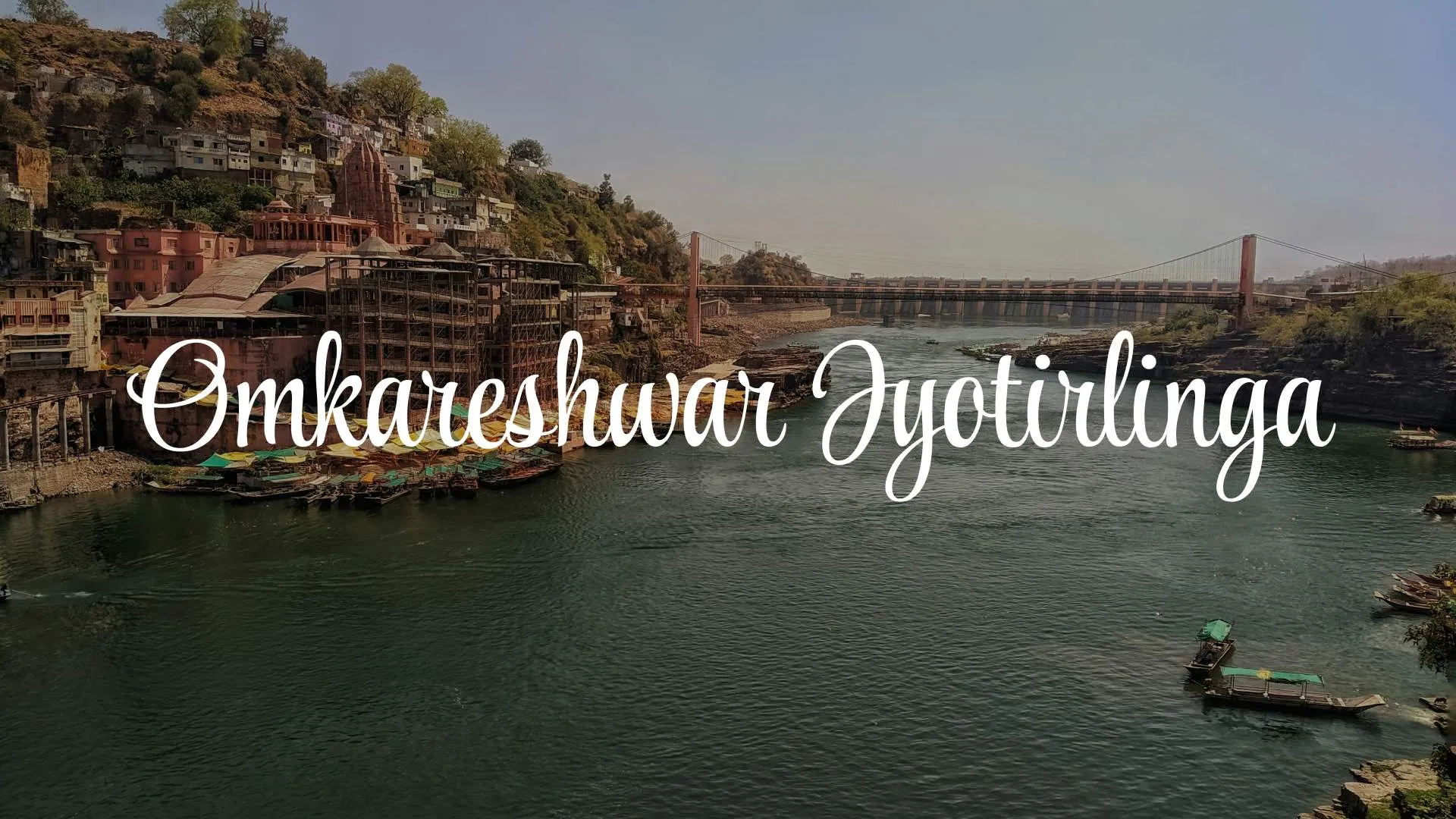
Omkareshwar Jyotirlinga: Timings, Parikrama & Travel Guide
Explore Guide →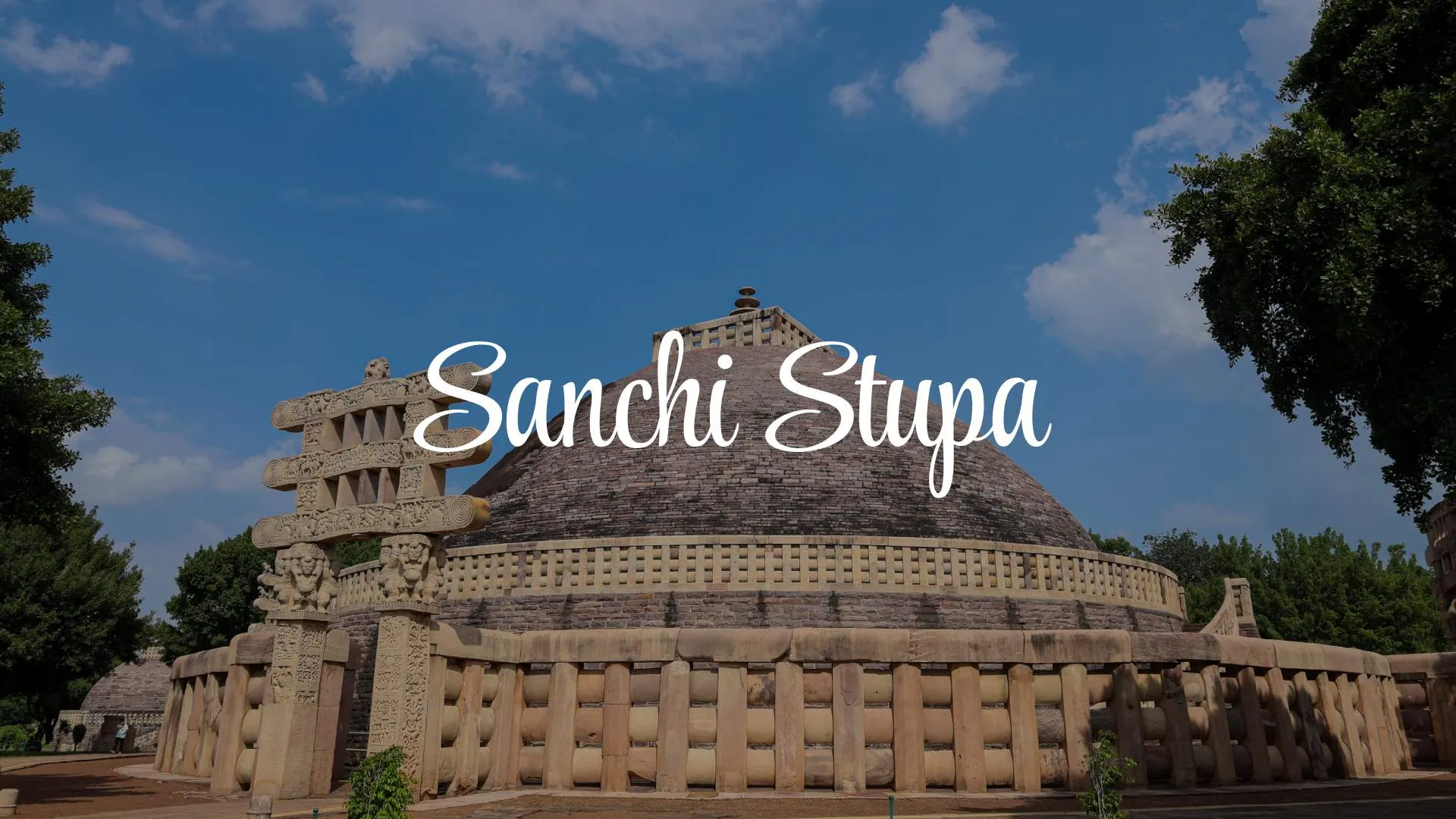
Sanchi Stupa: History, Architecture, Timings & Travel Guide
Explore Guide →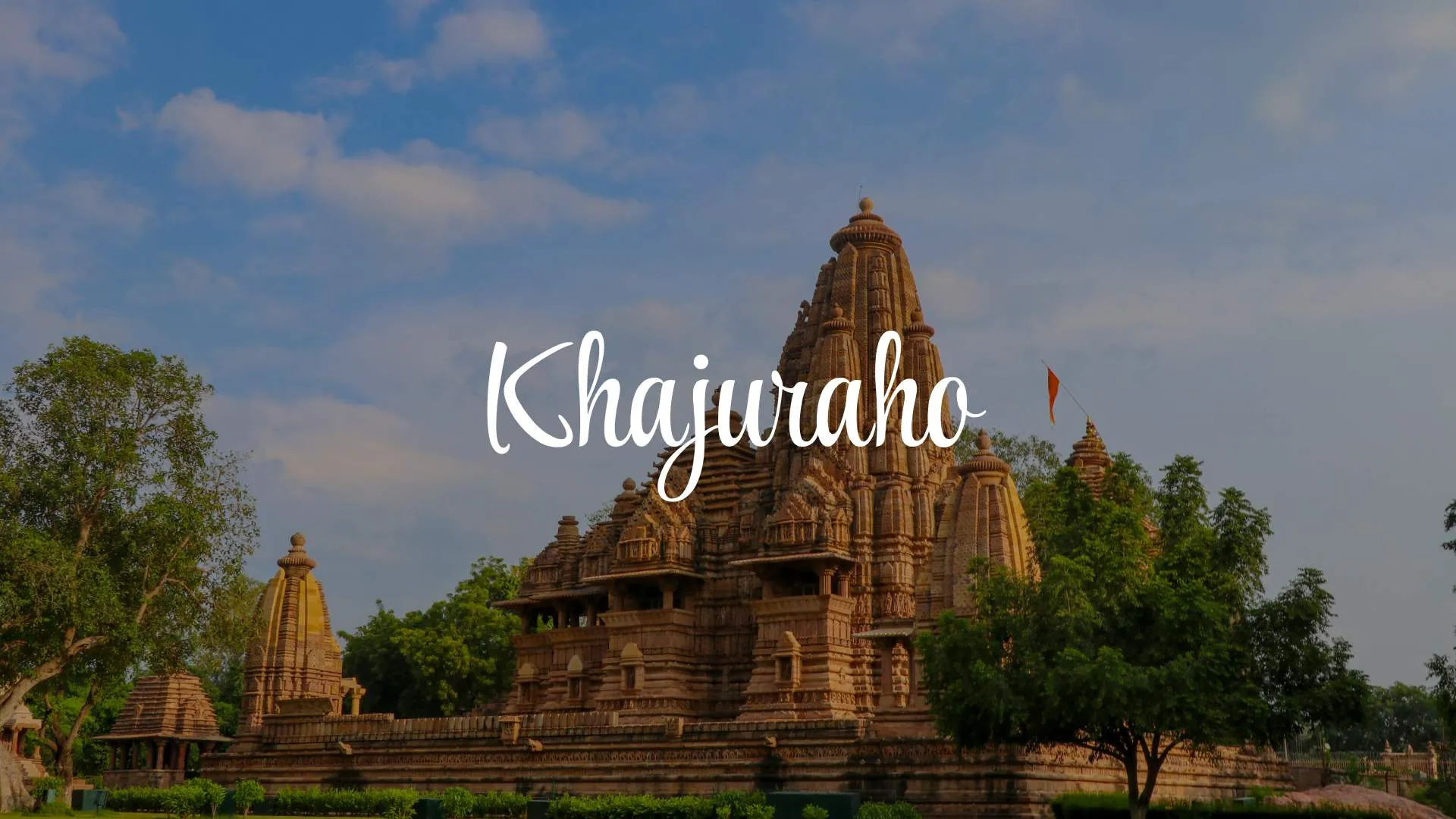
Khajuraho Group of Temples: History, Timings & Travel Guide
Explore Guide →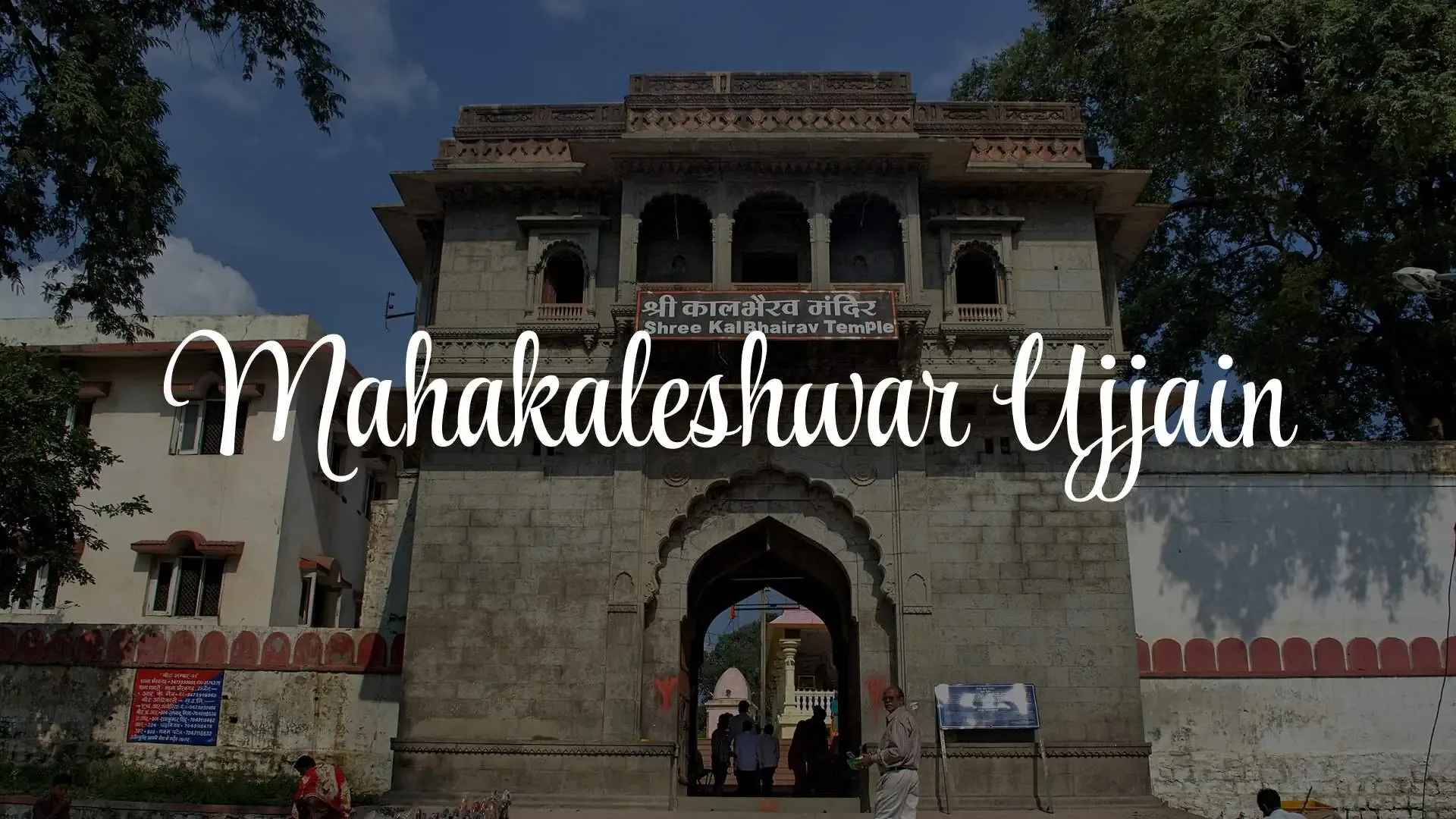
Mahakaleshwar Temple Ujjain Travel Guide | Darshan, Bhasma Aarti, Timings & History
Explore Guide →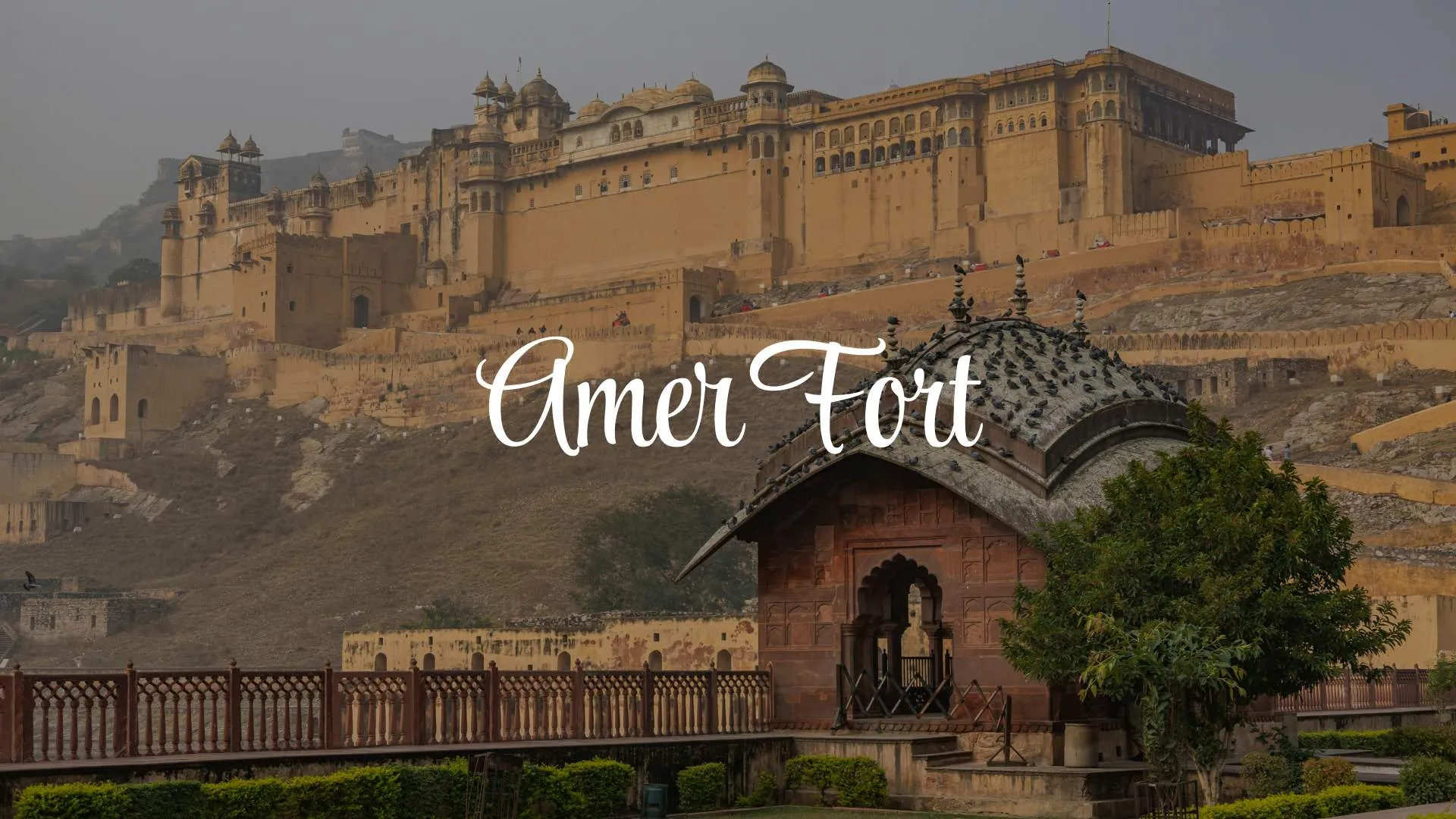
Amer Fort: The Ultimate Travel Guide to Jaipur's Royal Masterpiece
Explore Guide →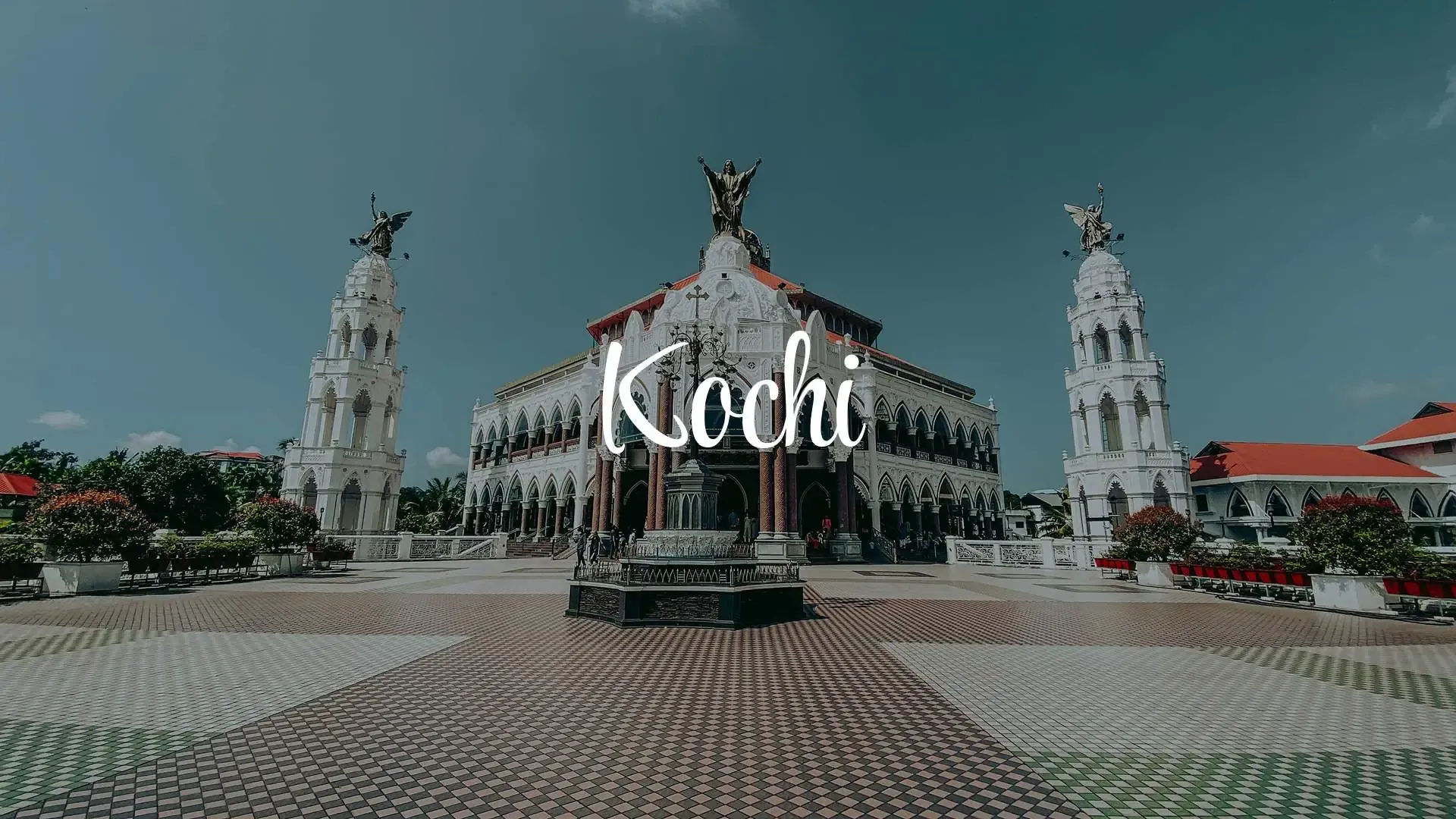
Discover Kochi: The Ultimate Guide to Kerala’s Queen of the Arabian Sea
Explore Guide →Categories
Subscribe to our mailing list
Subscribe to our weekly digest for the latest stories and trends.